Jaguar Embroidery: A Designer’s Review for Craft Fair Success
As an embroidery designer who has spent countless weekends behind a booth table, I know that not every machine embroidery design is created equal when it comes to retail viability. Some designs are beautiful on screen but vanish in person; others are so dense they pucker the fabric beyond repair. Today, I am reviewing the Jaguar design, evaluating it through the lens of a seasoned maker preparing for a high-traffic handmade market.
The Jaguar design is marketed as an original quality embroidery for your next sewing project, promising to look great on any fabric or clothes. For those of us in the Cats niche, finding a design that balances artistic flair with production efficiency is crucial. Let’s break down whether this digital embroidery file deserves a spot in your commercial portfolio.
First Impressions and Visual Appeal
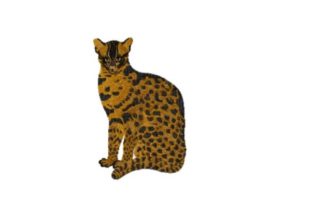
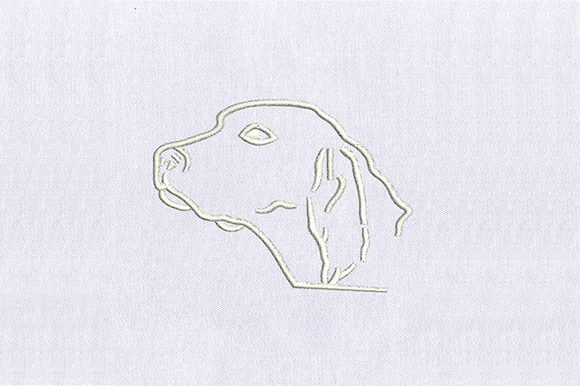
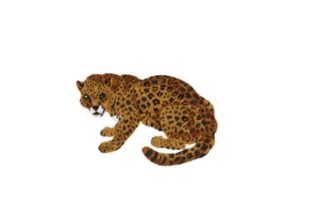
When I first loaded the Jaguar file into my software, my immediate impression was one of bold elegance. Unlike cute, cartoonish feline designs that often saturate the market, this piece feels premium and modern. It carries a decorative weight that suggests sophistication, making it ideal for customers looking for something beyond the typical whimsical pet portrait.
For a craft fair seller, visual impact at a distance is everything. A design like Jaguar needs to stop a passerby in their tracks. Its lines appear clean and intentional, suggesting a high level of craftsmanship. This aesthetic aligns perfectly with current trends favoring minimal yet striking home decor and wearable art. It does not scream "mass-produced," which is exactly what buyers seek when browsing a small shop product display.
Product Versatility and Market Fit
The true test of any embroidery file is its versatility. Can it adapt to different substrates without losing its integrity? Here is how Jaguar performs across various popular craft fair products:
- Tote Bag Design: This is perhaps the strongest application. The bold nature of the jaguar motif stands out beautifully against canvas or heavy cotton. It transforms a simple bag into a statement piece, justifying a higher price point.
- Apron Embroidery: Placing the design on the bib of a high-quality linen apron creates an instant bestseller. It appeals to the "chef chic" demographic and looks professional rather than childish.
- Tea Towel Embroidery: While lovely, caution is needed here. Ensure the design scale is appropriate for the narrow width of a standard towel. If the design is too wide, it may get lost in the folds or require excessive hooping adjustments.
- Embroidered Patch: If the design holds up at a smaller scale, it makes for an excellent iron-on or sew-on patch. Patches are low-cost, high-volume items that serve as perfect impulse buys at your booth.
- Pillow Covers and Market Bags: The organic shape of a jaguar fits well within square or rectangular hoops, making it ideal for home decor items that require a focal point.
Production Practicality for Etsy Sellers
For the Etsy seller or boutique maker, time is money. A design that requires constant trimming, excessive jump stitch management, or frequent re-hooping is a profit killer. Based on the description stating it is an "original quality embroidery," we can assume a certain level of optimization. However, you must verify the stitch density.
If the Jaguar design features large solid fill areas, it may be heavy on delicate fabrics. Conversely, if it relies on satin stitches or running stitches, it will be faster to produce and lighter on the garment. For batch production, consistency is key. You want a design that looks identical on the tenth item as it did on the first. Test the repeatability of this design on your specific machine model before committing to a large inventory run.
Photography and Online Listings
In the digital realm, your printable mockup and actual product photos must do the heavy lifting. The Jaguar design, with its likely strong contrast and defined shapes, photographs exceptionally well. It creates clear shadows and highlights that give depth to flat-lay images. When creating your design assets for online listings, ensure you capture the texture of the thread against the fabric. This tactile quality is what converts browsers into buyers.
Careful-Use Notes and Technical Considerations
Even the best designs have limitations. As a professional, I advise paying close attention to the following technical aspects before selling your finished product:
- Fabric Texture: The description claims it works on any fabric, but textured towels or thick denim may obscure fine details. Always test on the exact material you intend to sell.
- Thread Colors: Choose high-contrast thread colors to make the jaguar pop. Monochromatic schemes can look sophisticated but may lack visibility from a distance at a busy market.
- Stabilizer Selection: Use the correct stabilizer for your fabric type. A cut-away stabilizer is often best for garments that will be washed frequently, ensuring the Jaguar design remains crisp over time.
- Hoop Size: Confirm the required hoop size before purchasing. If the design is large, you may need a 5x7 or 6x10 hoop, which limits the types of machines your customers can use if you are selling the file itself.
- Small Details: Check for tiny elements that might pull out or break during wear. If the jaguar’s eyes or whiskers are too fine, they may not survive regular washing.
Enhancing Brand Consistency and Buyer Engagement
Incorporating Jaguar into your lineup can strengthen your brand identity if you position it correctly. It signals that you offer curated, high-quality commercial embroidery rather than generic clip-art applications. This perception of value allows you to charge premium prices.
At a craft fair, use this design as a centerpiece. Place an embroidered tote or pillow featuring the Jaguar at eye level. Watch how customers interact with it. Do they touch the stitches? Do they ask about the animal? These interactions provide valuable feedback on buyer engagement. If the design sparks conversation, it is a winner.
Final Designer Recommendations
Before you list Jaguar as a handmade product or include it in your design assets library, take these final steps:
- Test the design on scrap fabric identical to your final product material.
- Inspect the back of the embroidery for excessive bulk or loose threads.
- Create at least one real-world mockup to gauge size and placement.
- Compare how it looks on light versus dark fabrics to determine your primary inventory colors.
- Confirm the commercial licensing terms. Since this is a digital embroidery file, ensure you have the right to sell physical items made with it.
The Jaguar design holds significant promise for makers looking to elevate their Cats category offerings. It moves beyond the cliché into the realm of artistic expression. With careful attention to stitch density, fabric choice, and presentation, this design can become a staple in your craft fair product lineup. Remember, the goal is not just to embroider a cat, but to create a piece of art that customers are proud to own and wear. By treating Jaguar with the professional scrutiny it deserves, you ensure that every stitch contributes to the success of your creative business.