Golden Duck Embroidery: A Designer’s Review
As an embroidery designer who spends countless hours digitizing and stitching, I am always on the lookout for designs that balance charm with technical reliability. When I first encountered Golden Duck on Creative Fabrica, it caught my eye not just for its subject matter, but for the potential it holds in a commercial handmade context. In the world of Birds and nature-inspired Embroidery, finding a motif that is both whimsical and professional can be a challenge. This review breaks down my experience evaluating this machine embroidery design for real-world projects, from custom apparel to boutique home decor.
First Impressions and Visual Appeal
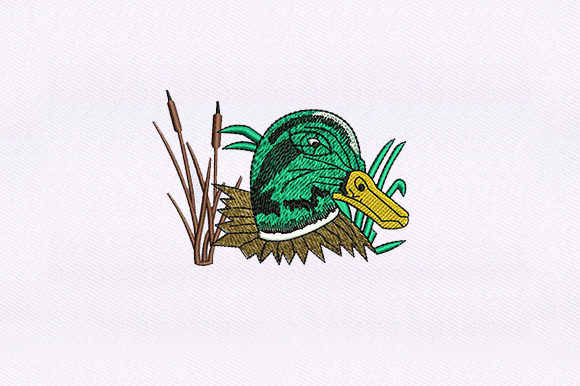
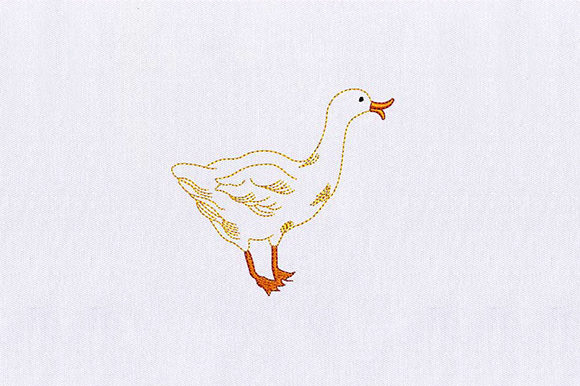
The initial visual impact of Golden Duck is warm and inviting. The design exudes a playful yet polished mood, making it an excellent candidate for products that need to feel approachable and high-quality. For those of us selling on Etsy or at local craft fairs, the "cute factor" is a significant driver of sales, but it must be backed by clean execution. This design appears to offer a strong decorative appeal that translates well across various fabric types.
What stands out immediately is the versatility of the aesthetic. It does not look overly juvenile, which means it can bridge the gap between children’s items and adult novelty gifts. The detail level suggests a thoughtful approach to stitch placement, avoiding the cluttered look that often plagues lower-quality digital files. When considering a new embroidery file, I always look for clear definition in the shapes, and Golden Duck delivers a silhouette that remains recognizable even from a distance.
Practical Applications for Handmade Businesses
For small business owners and creative entrepreneurs, the true test of any design is its adaptability. I evaluated how Golden Duck would perform across several popular product categories. Here is where this design truly shines:
- Custom Apparel: The design works beautifully on sweatshirt embroidery, adding a touch of whimsy to plain hoodies or crewnecks. It also scales well for smaller placements on caps or as a pocket accent on denim jackets.
- Home Textiles: Imagine this stitched onto a heavy canvas tote bag design or a linen apron. The contrast of the golden tones against natural fabrics creates a rustic, artisanal look that buyers love.
- Nursery and Baby Items: While versatile, the cute nature of the duck makes it ideal for baby blankets, bibs, and nursery decor. However, always ensure the stitch density is appropriate for delicate baby fabrics.
- Accessories: This could easily be adapted into an embroidered patch, allowing customers to add it to existing gear, or stitched directly onto pillow covers for seasonal home updates.
When creating a personalized gift, the emotional connection is key. A duck motif often evokes feelings of comfort and nostalgia. By using Golden Duck, you are not just selling a stitched item; you are selling a feeling. This enhances the perceived value of your handmade product and can significantly boost customer engagement on social media platforms where visual appeal drives clicks.
Technical Considerations for Stitching Success
While the design is promising, practical embroidery notes are essential for maintaining quality control. Before running a full production batch, I recommend a thorough testing phase. Here are the critical technical aspects to consider when working with this type of Creative Fabrica embroidery asset.
Fabric and Stabilizer Selection
The performance of any digital embroidery file depends heavily on the substrate. For stretchy fabrics like jersey knits used in t-shirts, a cut-away stabilizer is non-negotiable to prevent puckering. If you are stitching on woven materials like cotton twill for tote bags or aprons, a tear-away stabilizer may suffice, but always test first. Dark fabric requires careful attention to thread colors. Ensure your thread palette provides enough contrast so the details of the duck do not get lost in the background.
Stitch Density and Detail
One common issue with complex designs is excessive stitch density, which can cause fabric distortion or needle breaks. While I cannot specify the exact stitch count without opening the file, it is crucial to inspect the stitch density in your embroidery software. Look for areas where satin stitch borders meet fill stitch regions. Smooth transitions are vital for a professional finish. If the design includes tiny lettering or intricate feather details, verify that these elements will not turn into a blob of thread on smaller hoop sizes.
Hoop Size and Placement
Confirm the required hoop size before purchasing. If you primarily work with 4x4 hoops for caps and patches, ensure the design fits within that constraint without losing integrity. Curved surfaces, such as baseball caps, require careful hooping and possibly a different stabilization strategy than flat items like kitchen towels or pillow covers. Always stitch a test sample on scrap fabric identical to your final product material. This allows you to check for registration issues and adjust tension if necessary.
Enhancing Brand Value and Presentation
Using high-quality assets like Golden Duck contributes to brand consistency. When your finished products look crisp and professional, it builds buyer trust. This is particularly important for commercial embroidery projects where repeat customers are the lifeblood of the business. A well-executed design encourages positive reviews and word-of-mouth referrals.
Furthermore, the visual appeal of the stitched item impacts your product photography. A clean, vibrant embroidery photograph sells itself. When creating listings for your online shop, use printable mockup tools to visualize how the design looks on different colored garments before you even stitch a single thread. This saves time and materials while helping you curate a cohesive collection.
Final Verdict and Licensing Notes
In conclusion, Golden Duck presents itself as a strong contender for designers looking to expand their portfolio with nature-themed motifs. Its adaptability across various design assets and product types makes it a valuable addition to your library. However, responsible usage is key.
Before using this design for any commercial embroidery or selling finished items, you must review the specific license terms provided on the Creative Fabrica product page. Licensing can vary, and it is your responsibility to ensure compliance. Additionally, check the included file formats to confirm compatibility with your specific embroidery machine. Whether you are creating a unique tote bag design or a set of matching family sweatshirts, taking the time to test and refine your process will ensure that Golden Duck becomes a staple in your successful handmade business.
Remember, the best embroidery projects are those where the technical execution matches the creative vision. By paying attention to stabilizer choice, thread contrast, and stitch quality, you can transform this digital file into a tangible, high-value product that delights your customers.