Husky Face: A Designer’s Review for Branded Merch
As an embroidery designer who has spent years digitizing files and consulting with small business owners, I approach every new machine embroidery design with a critical eye. It is not enough for a pattern to be cute; it must be functional, scalable, and capable of elevating a brand. Recently, I evaluated the Husky Face design, a digital asset categorized under Dogs, to determine its viability for commercial use. This review focuses on how this specific embroidery file performs when applied to real-world merchandise, from staff uniforms to boutique packaging.
First Impressions and Visual Personality
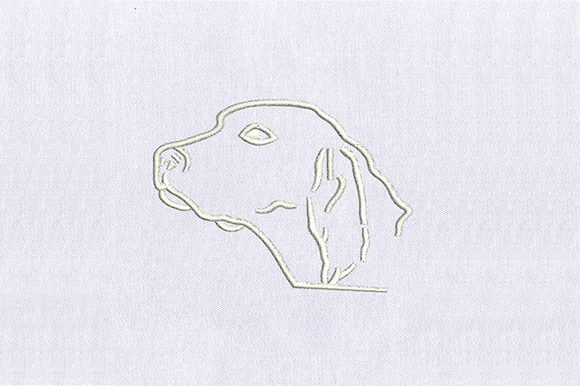
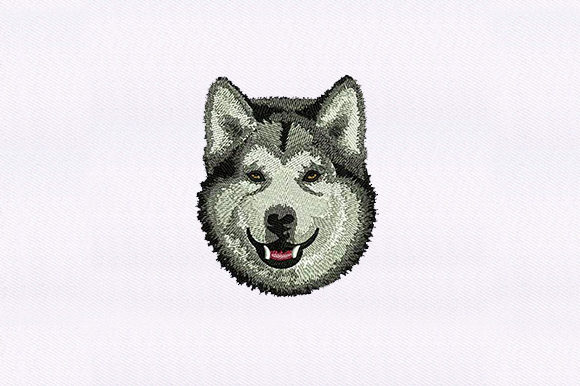
The initial appeal of the Husky Face lies in its versatility. The description notes that this lovely embroidery will look great on any fabric or clothes it will be stitched on. From a design perspective, this suggests a balanced stitch path that avoids excessive density while maintaining clarity. The visual personality feels both friendly and professional. It strikes a chord between playful charm and modern simplicity, making it suitable for a wide range of industries. It does not feel overly rustic or excessively elegant; rather, it sits comfortably in the contemporary handmade aesthetic that drives today’s consumer market.
For brands in the pet industry, outdoor gear, or local cafés, this design offers an immediate emotional connection. The husky is a recognizable symbol of loyalty and energy. When rendered in thread, it provides a tactile warmth that printed logos often lack. This makes it an excellent candidate for businesses looking to humanize their brand identity through high-quality custom apparel and accessories.
Real-World Applications for Small Business Merch
The true test of any digital embroidery file is its performance across various substrates. I evaluated how Husky Face would function as a core element of small business merch. Here is where this design shines:
- Embroidered Patches: This is perhaps the strongest use case. The design can be scaled down for a chest patch or enlarged for a back panel. As an embroidered patch, it adds perceived value to jackets, bags, and hats. Customers love the texture and durability of patches, and this design’s lines appear clean enough to hold up well when cut and merrowed.
- Staff Uniforms and Aprons: For bakeries, florists, or craft studios, apron embroidery is a subtle yet powerful branding tool. The Husky Face works beautifully on the bib of an apron or the chest pocket of a work shirt. It signals attention to detail and craftsmanship without overwhelming the garment.
- Cap Embroidery: Front-panel cap designs require simplicity. If the Husky Face maintains its integrity at smaller widths, it becomes a premium option for branded headwear. It avoids the clutter that often plagues complex logos on curved surfaces.
- Tote Bag Design: Canvas totes are a staple for retail shops. Placing this design on a tote bag transforms a simple carrier into a walking advertisement. The contrast of thread against canvas highlights the handmade product quality that eco-conscious consumers appreciate.
Navigating Technical Challenges
While the potential is high, experienced decorators know that every design has limitations. The description states the design co—likely implying it comes in compatible formats—but it does not specify exact technical parameters. Therefore, caution is required. Before committing to a large production run, you must assess the stitch density. High density can cause puckering on lightweight fabrics, while low density may leave gaps on textured materials.
Pay close attention to fabric texture. If you are stitching on terry cloth towels or heavy denim, the fine details of the husky’s fur or facial features might get lost. In such cases, increasing the size or simplifying the thread palette is necessary. Additionally, consider the hoop size constraints of your machine. Ensure the design fits within your standard hoops without requiring excessive re-hooping, which can lead to misalignment.
Another critical factor is color contrast. On dark uniforms, light threads are essential for visibility. However, if the design relies on subtle shading, it may not translate well on black or navy fabrics. Always create a printable mockup to visualize the contrast before stitching. This step saves time and material costs, ensuring the finished product meets client expectations.
Impact on Brand Identity and Customer Trust
Incorporating a well-executed embroidery design like Husky Face into your product line does more than decorate; it builds trust. Consumers associate embroidery with longevity and quality. When they see a crisp, well-stitched logo on a tote bag or hat, they perceive the brand as established and professional. This perception increases the perceived value of the item, allowing for higher price points and better margins.
For Etsy sellers and crafters, using unique design assets differentiates your shop from competitors using generic clipart. The Husky Face offers a distinctive look that can become synonymous with your brand. Consistency is key. Use this design across your commercial embroidery projects, from customer gifts to event merch, to create a cohesive visual language. This consistency reinforces brand recognition and fosters customer loyalty.
Practical Designer Notes for Production
To ensure the best results with the Husky Face design, follow these practical steps:
- Test in Black and White: Before selecting thread colors, stitch the design in black thread on white fabric. This reveals the structural integrity of the digitizing. If it looks good in monochrome, it will look good in color.
- Check Scalability: Stitch the design at its smallest intended size, such as on a hat or small patch. Ensure that small details do not merge or disappear. If the eyes or nose become indistinct, the design may need adjustment or a larger minimum size.
- Review Thread Color Contrast: Choose thread colors that complement your brand palette but also provide sufficient contrast against the fabric. Avoid using similar shades for adjacent elements unless intentional for a subtle effect.
- Use Proper Stabilizer: Match the stabilizer to the fabric weight. Cut-away stabilizer is generally recommended for garments that will be washed frequently, while tear-away may suffice for stable items like patches or home decor.
- Confirm Commercial Licensing: The description mentions it is for your next sewing project, but always verify the license terms included with the digital embroidery file. Ensure you have the right to use the design for commercial embroidery and sale of finished goods. Never assume; always read the license agreement provided by the designer.
In conclusion, the Husky Face is a promising addition to any embroidery library focused on Dogs and lifestyle branding. Its adaptability across various products, from cap embroidery to tote bag design, makes it a versatile tool for small business owners. By paying attention to technical details like stabilizer choice and hoop size, and by leveraging its visual appeal to enhance brand identity, you can create high-value merchandise that resonates with customers. Always prioritize testing and quality control to ensure that every stitched piece reflects the professionalism of your brand.