Llama Applique: A Designer’s Review for Branded Merch
As an embroidery designer who has spent years digitizing and testing files for commercial use, I approach every new machine embroidery design with a critical eye. It is not enough for a motif to simply look cute on a screen; it must perform under the needle, withstand washing, and elevate the brand it represents. Recently, I evaluated the Llama Applique from the Wild Animals category, specifically assessing its viability for small business merchandise and branded patch applications. This review breaks down how this design functions in real-world production environments, from boutique apparel to corporate gifts.
First Impressions: Visual Personality and Brand Fit
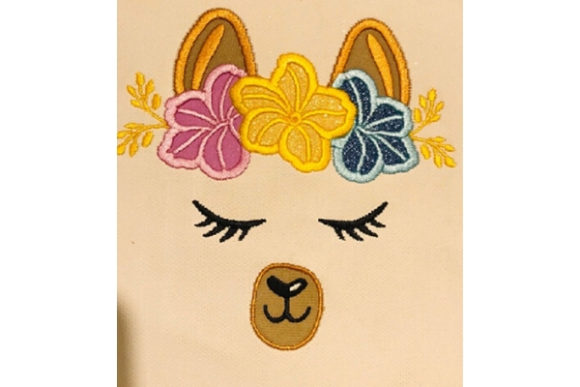
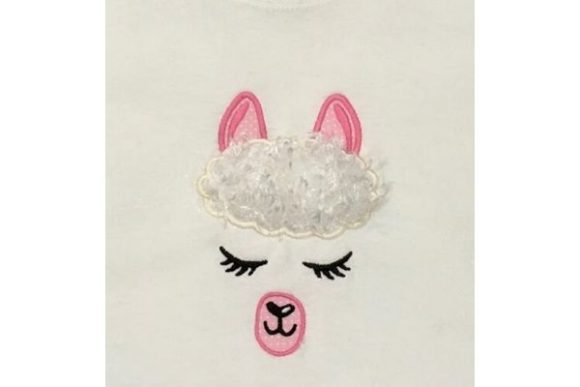
The Llama Applique immediately strikes a balance between playful charm and clean professionalism. In the world of Embroidery, animal motifs can often lean too heavily into cartoonish territory, which limits their use in premium branding. However, this design feels curated. It possesses a friendly yet sophisticated aesthetic that works well for creative studios, local cafés, pet brands, and handmade shops. The appliqué technique inherently adds texture and dimension, giving the finished product a high-end, tactile quality that flat stitching sometimes lacks.
For small business owners, visual consistency is key. This design does not scream "novelty item." Instead, it suggests a thoughtful, curated brand identity. Whether you are running an Etsy shop selling artisanal goods or a florist looking for unique staff uniforms, the llama motif offers a rustic, modern vibe that resonates with contemporary consumers. It feels handmade without appearing amateurish, which is a difficult needle to thread in digital design.
Performance in Real Business Applications
The true test of any digital embroidery file is its versatility across different substrates. I examined how the Llama Applique performs when applied to various common merchandise items. Here is where this design shines:
- Embroidered Patches: This is arguably the strongest use case. The bold lines of the appliqué hold up beautifully when cut out and merrowed or satin-stitched around the edge. Patches are low-risk, high-reward assets for small businesses because they can be produced in batches and applied later. They work on denim jackets, canvas bags, and even laptop sleeves.
- Apron Embroidery: For bakeries, coffee shops, and craft studios, branded aprons are walking billboards. The llama design sits comfortably on the chest pocket area or the upper bib. It adds personality to staff uniforms without being distracting, fostering a sense of team identity and customer engagement.
- Tote Bag Design: Canvas tote bags are a staple for retail packaging and customer gifts. The sturdy nature of canvas supports the stabilizer requirements of appliqué work perfectly. The design acts as a central focal point, turning a simple bag into a desirable handmade product accessory.
- Cap Embroidery: While possible, cap fronts require precision. The llama’s shape fits well within standard curved hoops, provided the size is scaled correctly. It offers a fun alternative to standard text-only logos for creative agencies or outdoor brands.
When used in commercial embroidery projects, such as event merch or corporate retreats, the design serves as an excellent icebreaker. It humanizes the brand, making the company appear approachable and community-focused. This emotional connection can significantly boost buyer engagement and brand loyalty.
Technical Considerations and Production Notes
While the aesthetic appeal is strong, technical execution determines the longevity of the finished product. As a designer, I advise caution in specific scenarios. Appliqué designs rely on the contrast between the fabric patch and the surrounding stitching. If you are embroidering on dark uniforms or textured fabrics, you must carefully select your thread colors and patch fabric to ensure the llama remains visible and distinct.
Stitch density is another critical factor. Because this is an appliqué, the stitch count is generally lower than a full-fill design, which is beneficial for speed and fabric puckering. However, the tack-down stitches and the final satin border must be dense enough to secure the edges. On items that undergo frequent washing, such as work shirts or kitchen aprons, loose edges can fray. Therefore, using a high-quality cut-away stabilizer is non-negotiable to maintain the integrity of the design over time.
Additionally, consider the hoop size relative to the placement. If you are placing this on a small left-chest position, ensure the design is scaled down appropriately without losing detail. Tiny lettering or intricate outlines can get lost if the hoop is too small or the resolution is compromised. Always check the specific file formats included in the download to ensure compatibility with your machine’s software.
Enhancing Brand Identity and Trust
Incorporating the Llama Applique into your product line does more than just decorate an item; it reinforces your brand identity. Customers associate high-quality embroidery with durability and attention to detail. When they see a well-executed llama patch on a tote bag or a neatly stitched logo on an apron, it signals professionalism. This perception of quality builds trust, which is essential for small businesses competing against mass-produced alternatives.
Furthermore, using themed designs like this allows for cohesive marketing campaigns. You can create a series of design assets featuring llamas in different poses or settings, creating a recognizable visual language for your brand. This consistency helps customers recognize your products instantly, whether they are browsing online or seeing your staff in person.
Practical Steps Before Production
Before committing to a large run of custom apparel or merchandise, follow these practical steps to ensure success:
- Test in Black and White: Print or stitch a monochrome version first. If the design loses its shape without color, it may rely too heavily on color contrast rather than form. The Llama Applique should maintain its silhouette clearly.
- Check Scale on Real Fabric: Do not rely solely on screen previews. Stitch the design onto the actual fabric you intend to use. Different materials react differently to tension and stabilizers.
- Review Thread Color Contrast: Ensure your thread colors pop against both the patch fabric and the garment. High contrast improves visibility and perceived quality.
- Create a Printable Mockup: Use digital tools to place the design on photos of your products. This helps visualize the final look for client approval or social media teasers before spending money on materials.
- Confirm Commercial Licensing: The product description notes that the file comes in multiple formats and is suitable for multiple embroidery uses. However, always verify the specific license terms included with the download to ensure you are compliant for selling physical goods.
In conclusion, the Llama Applique is a versatile and professional asset for small business owners. It bridges the gap between whimsical and refined, making it suitable for a wide range of applications from patches to uniforms. By paying attention to technical details like stabilizer choice and fabric texture, you can leverage this design to create high-value merchandise that enhances your brand’s reputation and delights your customers.