Mandala Jelly Fish: A Seasonal Embroidery Review
As an embroidery designer who spends countless hours digitizing and testing files for seasonal collections, I approach every new machine embroidery design with a critical eye. It is not just about whether the file stitches out cleanly; it is about whether the design sells. When I first loaded the Mandala Jelly Fish onto my machine, I was looking for that specific spark that turns a standard product into a holiday bestseller. This review explores how this intricate piece fits into a seasonal product lineup, from cozy winter apparel to elegant home decor.
First Impressions: Mood and Aesthetic Appeal
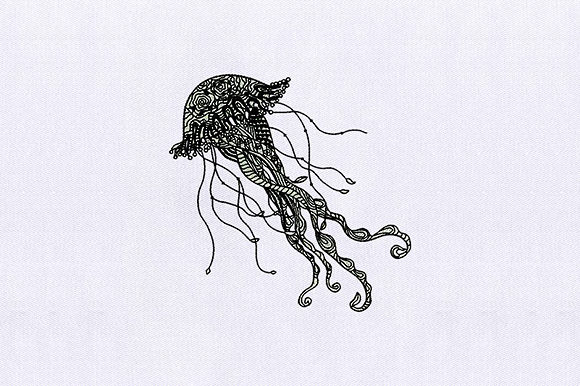
The initial visual impact of the Mandala Jelly Fish is striking. It blends the organic, flowing lines of marine life with the geometric precision of a mandala. For a seasonal collection, this duality is powerful. It does not scream "Christmas" in the traditional red-and-green sense, which actually works in its favor. Instead, it offers a serene, spiritual, and slightly whimsical tone that appeals to buyers looking for something unique during the hectic holiday shopping period.
The detail level is high, suggesting a premium feel. When stitched correctly, the interplay of thread colors creates depth that looks far more expensive than the cost of the digital embroidery file. This design feels modern yet timeless, making it suitable for a wide demographic. It is not overly cute, nor is it strictly rustic. It sits comfortably in the "elegant handmade" category, which is crucial for Etsy sellers aiming to justify higher price points on their small shop products.
Strategic Product Placement for Holiday Sales
Choosing the right substrate is half the battle in seasonal embroidery. Here is how I envision using this design across various product types to maximize sales potential:
- Sweatshirt Embroidery: Placing the design on the left chest or as a larger back piece on high-quality hoodies creates a trendy, streetwear-inspired look. The mandala structure holds up well on thicker fabrics, provided you use the correct stabilizer.
- Tote Bag Design: Canvas totes are huge during the holiday gift-giving season. The symmetry of the jelly fish mandala looks professional centered on a bag, appealing to shoppers looking for reusable, stylish gift wrap alternatives.
- Kitchen Towel Embroidery: For a touch of coastal elegance, this design works beautifully on linen or cotton towels. It adds a sophisticated accent to holiday table settings without overpowering the decor.
- Pillow Cover: Home decor items see a spike in sales during winter. Stitching this on neutral-toned pillow covers adds a focal point that feels both cozy and artistic.
- Embroidered Patch: If you offer iron-on or sew-on patches, this design is ideal. Patches allow customers to customize their own jackets or bags, increasing the perceived value of your handmade gift offerings.
Navigating Technical Challenges
While the Mandala Jelly Fish is visually stunning, it requires careful handling. As an experienced designer, I must warn against assuming it will work perfectly on every surface without adjustment. The intricate nature of mandalas means there are many small details and potential jump stitches.
First, consider the hoop size. Ensure your machine can accommodate the full diameter of the design without hitting the hoop edges. If you are scaling it down for smaller items like baby onesies or ornaments, be cautious. Tiny details may merge or become indistinct if the design is reduced too much. Always check the stitch density in your software before running a final production batch. High density on stretchy garments can cause puckering, so a cut-away stabilizer is non-negotiable for apparel.
Another critical factor is fabric texture. On thick towels or fluffy fleece, the fine lines of the mandala might get lost. In these cases, using a contrasting thread color or slightly increasing the stitch width can help maintain visibility. For dark fabrics, test your thread colors thoroughly. Metallic threads can add a festive holiday shimmer but may break more easily; always have a backup plan with high-sheen rayon or polyester threads.
Boosting Brand Value and Customer Trust
In the competitive world of Etsy seller markets, consistency builds trust. Using a cohesive design like the Mandala Jelly Fish across multiple product types helps establish a recognizable brand aesthetic. When customers see the same high-quality motif on a tote, a pillow, and a sweatshirt, they perceive your shop as professional and curated.
This design also enhances the "giftability" of your items. Holiday shoppers are often looking for a personalized gift that feels thoughtful. The complex, artistic nature of this embroidery suggests effort and care, which resonates emotionally with buyers. It is not just a commodity; it is a piece of art they can wear or display.
To leverage this, create realistic mockups for your online listings. Show the design in context—on a model wearing a hoodie by a fireplace, or on a tote bag held at a winter market. These printable mockup style images help customers visualize the finished product in their own lives, driving higher engagement and conversion rates.
Practical Designer Notes for Production
Before you list this as part of your commercial embroidery lineup, follow these practical steps:
- Test on Multiple Fabrics: Do not rely on a single test stitch. Run the design on cotton, polyester, fleece, and towel material to see how the tension holds.
- Check Licensing: Confirm the license terms included with the embroidery file. Ensure you have the rights to sell finished physical products made with this design, especially if you are scaling up for holiday demand.
- Optimize Thread Palettes: Plan matching color palettes for different seasons. For winter holidays, consider cool blues, silvers, and whites. For spring releases, switch to pastels. This versatility extends the life of the design beyond a single season.
- Review Small Details: After stitching, inspect the center of the mandala closely. Ensure there are no loose threads or missed stitches that could compromise durability, especially for items that will undergo repeated washing.
The Mandala Jelly Fish is more than just a pretty pattern; it is a versatile asset for any embroidery business looking to elevate its seasonal offerings. By understanding its technical requirements and leveraging its aesthetic appeal, you can create a range of products that stand out in a crowded marketplace. Whether you are decorating aprons for a craft fair or creating limited-edition apparel for online sales, this design offers the balance of complexity and elegance that modern buyers crave. Treat it with the respect it deserves in your production workflow, and it will likely become a staple in your holiday embroidery collection for years to come.