Review: 3 Surfboards on Fence Applique for Summer Projects
As an embroidery designer who spends countless hours digitizing and testing files, I have learned that not every machine embroidery design is created equal. Some are technically sound but lack soul, while others are visually striking but impossible to stitch out cleanly. Recently, I came across the 3 Surfboards on Fence Applique on Creative Fabrica, and it immediately caught my eye. With summer seasons approaching and the demand for coastal-themed items rising, I needed a reliable applique design that could elevate my handmade products without causing production headaches.
This review breaks down my experience evaluating this file for real-world use, from initial impression to final stitch-out, helping you decide if it fits your next commercial embroidery project.
First Impressions and Visual Appeal
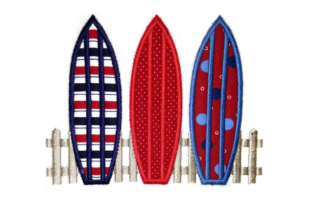
The first thing that stands out about the 3 Surfboards on Fence Applique is its playful, relaxed vibe. The concept of three surfboards resting against a fence instantly evokes memories of beach days, summer vacations, and coastal living. For designers targeting the Beach category, this motif is versatile. It is not overly complex, which is a significant advantage for applique work. The design relies on clean lines and distinct color blocks rather than dense, intricate detailing that can sometimes get lost in smaller hoop sizes.
The visual mood is cheerful and inviting. When I imagined this stitched onto a tote bag or a kitchen towel, it felt like a natural fit. The separation of elements allows for creative freedom with thread choices. You are not locked into a specific palette, meaning you can adapt the thread colors to match seasonal trends or specific customer requests. This flexibility is crucial for maintaining brand consistency across different product lines.
Technical Performance and Stitch Quality
When downloading a new digital embroidery file, my primary concern is always technical reliability. The product description notes that the file includes nine formats and four hoop sizes, which is excellent for compatibility across various machines. However, the most critical detail for me was the instruction that steps are separated by color changes and that users should not color sort. This indicates a deliberate structure intended to ensure the applique fabric is placed correctly before the final securing stitches are laid down.
In terms of stitch types, this design likely utilizes a combination of running stitch for placement lines, satin stitch for borders or fine details, and potentially fill stitch areas depending on the specific digitizing approach for the boards themselves. For an applique, the density must be balanced. If the stitch density is too high around the edges, it can cause puckering, especially on lighter fabrics like cotton tea towels. If it is too loose, the raw edges of the applique fabric may fray over time.
I recommend always checking the hoop size options provided in the zip file. Using the largest hoop size available for your machine often results in better registration and less distortion, particularly if you are stitching multiple items in a row. Always verify the specific file details on the Creative Fabrica product page to ensure the format matches your machine’s requirements.
Real-World Application for Handmade Sellers
For Etsy sellers and small business owners, the versatility of the 3 Surfboards on Fence Applique is its strongest asset. Here is how I envision using this design in a commercial setting:
- Tote Bag Design: This is perhaps the most obvious application. A canvas tote with this coastal motif sells well during spring and summer. The applique technique adds texture and value compared to flat printing.
- Sweatshirt Embroidery: Placing this on the left chest of a hoodie or sweatshirt creates a subtle yet stylish look. Ensure you use a cut-away stabilizer to support the weight of the applique fabric on stretchy materials.
- Kitchen Towels and Aprons: These make fantastic personalized gifts. The durability of machine embroidery holds up well to washing, provided the applique fabric is pre-washed to prevent shrinkage.
- Embroidered Patch: You can stitch this out on twill or felt, trim it closely, and sell it as an iron-on or sew-on patch. This expands your product range without needing to embroider directly onto finished garments.
- Nursery Decor: By softening the color palette to pastels, this design can work beautifully on baby blankets or pillow covers for a coastal-themed nursery.
Using this design helps enhance the perceived value of your handmade product. Customers often associate applique with higher quality and effort, which can justify a higher price point. Furthermore, the visual appeal of textured fabric against smooth embroidery thread creates depth that looks stunning in product photography, boosting customer engagement on social media platforms.
Practical Considerations and Troubleshooting
While the design is promising, there are practical challenges to consider before launching a full production run. First, always test on scrap fabric. Do not skip this step. Check how the stabilizer interacts with your chosen material. For stretchy fabrics like jersey or fleece, a heavy-duty cut-away stabilizer is non-negotiable to prevent distortion.
Pay close attention to the contrast between your thread and the applique fabric. If you choose a thread color that blends too much with the fabric, the definition of the surfboards and fence may be lost. Conversely, high contrast can make the design pop but requires precise stitching to hide any minor imperfections. Inspect small details after stitching to ensure no gaps or loose threads remain.
If you plan to use this on dark fabric, consider using a lighter-colored applique fabric to maintain visibility. Also, be mindful of curved surfaces like caps. While possible, stitching an applique on a cap requires careful hooping and potentially a specialized cap frame to avoid shifting. For beginners, sticking to flat items like tote bags or pillow covers is safer.
Finally, always confirm the licensing terms on the Creative Fabrica product page. Most designs allow for commercial use of finished physical items, but restrictions may apply to digital resale or mass production limits. Understanding these boundaries protects your business and ensures you are operating ethically.
Final Verdict
The 3 Surfboards on Fence Applique is a solid addition to any embroidery designer’s library, particularly for those focusing on seasonal or coastal themes. It offers a good balance of visual charm and technical feasibility. By following best practices for applique work—such as proper stabilizer selection, careful thread choice, and thorough testing—you can create high-quality custom apparel and home decor items that resonate with buyers. Whether you are creating a personalized gift for a friend or stocking your online shop with summer essentials, this design provides a reliable foundation for creative expression.