Little Mister June Crab Applique Review
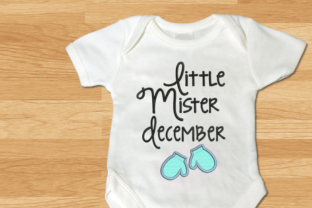
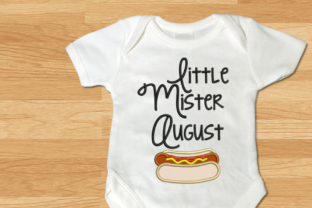
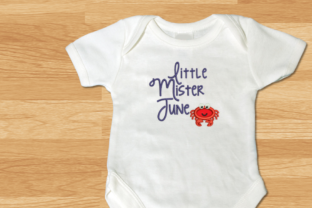
As an embroidery designer who spends countless hours digitizing and testing files, I know that not every design is created equal. Some are purely decorative, while others are built to sell. When I first loaded the Little Mister June Crab Applique into my software, I was looking for that specific spark that turns a digital embroidery file into a high-performing craft fair product. This design, part of the adorable Little Miss and Mister collection, immediately struck me as a versatile asset for any handmade business owner. It features the text “Little Mister June” paired with a charming appliqued crab, making it a perfect candidate for monthly milestone photos and seasonal decor.
First Impressions and Market Appeal
The initial visual impact of this design is undeniably cute and festive. In the world of Fish and sea-themed Embroidery, it is easy to fall into clichés, but this design balances whimsy with clarity. The applique technique is a smart choice for a summer-themed item because it reduces stitch density on the main body of the crab, allowing the fabric texture to shine through while keeping production time manageable. For an Etsy seller or a boutique maker, this means you can produce items faster without sacrificing quality. The aesthetic feels soft yet bold enough to catch the eye from across a crowded vendor booth. It does not try to be overly complex; instead, it relies on clean lines and recognizable shapes, which is crucial for quick customer recognition.
Product Versatility for Craft Fairs
When preparing for a weekend craft fair, I always evaluate a design based on its adaptability. The Little Mister June Crab Applique excels here because it translates well across various substrates. Here is how I envision using this machine embroidery design in a real-world retail setting:
- Tote Bags: A canvas tote bag serves as the perfect backdrop. The neutral color of natural cotton allows the thread colors of the crab and the lettering to pop. This is a high-margin craft fair product that appeals to parents and gift-givers alike.
- Aprons and Tea Towels: Kitchen textiles are staples in handmade shops. Embroidered aprons featuring this design make excellent gifts for new fathers or summer hosts. Tea towel embroidery requires careful attention to stabilizer choice, but the result is a premium small shop product that feels luxurious.
- Caps and Hats: Curved cap surfaces can be tricky, but if the hoop size allows for a centered chest or front-panel placement, this design works well. The applique element helps prevent the fabric from puckering, which is a common issue with dense stitching on structured hats.
- Embroidered Patches: Creating iron-on or sew-on patches is a fantastic way to utilize scrap fabric. These patches can be sold individually or used to embellish denim jackets and pillows, adding value to your booth display.
Production Practicality and Batch Selling
For those of us running a commercial embroidery operation, time is money. The fact that this design includes nine formats and four hoop sizes is a significant advantage. It means you are not limited to one specific machine or project scale. You can stitch a large version for a pillow cover and a smaller version for a baby onesie or a fabric pouch. This flexibility supports batch production, allowing you to create a cohesive collection of items that look like they belong together. Consistency in branding is key for buyer engagement, and using a single strong design across multiple product types strengthens your brand identity.
However, practical selling points go beyond just the file itself. You must consider how the design photographs. The contrast between the applique fabric and the background material is vital for online listings. A printable mockup can help you visualize this before you even thread your needle, saving you from costly mistakes. When customers browse digital embroidery file marketplaces or physical booths, they are drawn to clarity. The “Little Mister June” text needs to be legible. If the lettering is too small or the font too intricate, it may lose definition on textured towels or thick fabrics.
Careful-Use Notes and Technical Considerations
While the design is robust, there are technical nuances to consider before you start stitching. Always check the stitch density, especially around the edges of the crab applique. If the satin stitches are too wide, they may snag on loose-weave fabrics. Conversely, if they are too narrow, they might not cover the raw edges of the applique fabric sufficiently.
Here are specific areas where caution is advised:
- Fabric Texture: On terry cloth or waffle-weave tea towels, ensure your stabilizer is cut-away rather than tear-away to provide lasting support. Textured fabrics can swallow small details, so test on scraps first.
- Dark Fabrics: If you plan to stitch on navy or black garments, remember that the applique fabric will determine the color of the crab, but the text outline must have sufficient contrast. Use a bright thread color for the lettering to ensure readability.
- Small Details: Verify the smallest hoop size included in the package. If you intend to stitch this on tiny items like booties or small pouches, ensure the text remains clear and does not become a blob of thread.
- Curved Surfaces: When embroidering on caps or curved bags, use a strong stabilizer and consider hooping the item with a backing to prevent shifting during the high-speed stitching of the applique tack-down stitches.
Enhancing Visual Appeal and Brand Value
The ultimate goal of any embroidery designer is to create work that elevates the perceived value of the finished product. The Little Mister June Crab Applique contributes to this by offering a polished, professional look. The combination of text and image tells a story—specifically, a story of summer milestones and growing families. This emotional connection drives sales. When customers see a well-executed applique, they associate it with high-quality handmade craftsmanship. It signals that you care about the details, from the thread tension to the fabric choice.
To maximize this effect, curate your booth display with complementary colors. Since this is a June design, think coastal blues, sandy beiges, and crisp whites. Display the embroidered items alongside related accessories, such as seashells or summer-themed props, to create an immersive experience. This context helps buyers visualize the product in their own homes, increasing the likelihood of a purchase.
Final Designer Recommendations
Before you list this as a commercial embroidery product or take it to your next market, follow these essential steps. First, always test the design on scrap fabric that matches your intended final product. Check thread contrast and inspect the spacing between the text and the crab. Confirm that the hoop size you select provides enough margin for secure hooping. Second, create at least one real mockup to photograph for your Etsy seller profile or social media. Real photos convert better than digital renderings alone. Finally, review the license terms provided with the digital embroidery file. Ensure you have the rights to sell finished products made with this design assets, as licensing terms can vary between designers.
In summary, the Little Mister June Crab Applique is a strong contender for your summer inventory. It balances aesthetic appeal with production efficiency, making it a reliable choice for both novice and experienced embroidery business owners. By paying attention to fabric texture, stabilizer choice, and presentation, you can turn this simple design into a standout bestseller.