String Art Fish: A Designer’s Review for Small Business Merch
As an embroidery designer who has spent years digitizing and testing files for commercial use, I approach every new machine embroidery design with a critical eye. It is not enough for a design to simply look cute on a screen; it must perform under the needle, withstand washing, and elevate the brand identity of the business using it. Recently, I evaluated the String Art Fish design, and I want to share my professional perspective on how this unique piece fits into the ecosystem of small business merchandise and branded patch production.
First Impressions: Visual Personality and Style
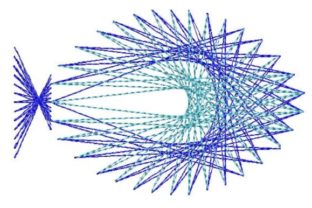
The immediate appeal of String Art Fish lies in its clever mimicry of physical string art through digital stitching. The description notes that this is a two-color design where each color is stitched in one continuous line of running stitches. This technique creates a distinct, linear aesthetic that feels both modern and handmade. Unlike traditional satin-stitch logos that can appear heavy or corporate, this design offers a lighter, more artistic touch. It feels playful yet sophisticated, making it an excellent choice for brands that want to project creativity without sacrificing professionalism.
For boutique owners, creative studios, or artisanal bakeries, this visual style aligns perfectly with a "crafted" brand identity. It does not scream "mass-produced." Instead, it suggests attention to detail and a love for geometric beauty. When considering Fish as a motif, many designers worry about cliché nautical themes, but the string-art execution here transforms the subject into a graphic element rather than a literal illustration. This makes it versatile enough for non-marine businesses that simply appreciate the organic shape and clean lines.
Performance in Real-World Business Applications
The true test of any digital embroidery file is its versatility across different products. Here is how String Art Fish performs in common small business scenarios:
- Embroidered Patches: Because the design relies on running stitches rather than dense fill areas, it is ideal for patches. The open structure allows the background fabric to show through, creating a textured look that adds depth. This works exceptionally well for woven or twill backings commonly used in patch production.
- Apron Embroidery: For cafes and florists, staff aprons are walking billboards. The lightweight nature of this design means it will not stiffen the fabric or cause puckering, which is crucial for items that undergo frequent industrial laundering.
- Tote Bag Design: Canvas totes are a staple for retail shops. The continuous line effect of String Art Fish scales beautifully on larger surfaces, acting as a central focal point that draws the eye without overwhelming the bag’s utility.
- Cap Embroidery: Placing this on the front panel of a cap requires precision. The linear style avoids the bulk that often plagues cap embroidery, ensuring the hat maintains its shape and comfort.
When used for custom apparel like work shirts or customer gifts, the design serves as a subtle brand accent. It is not aggressive; it invites closer inspection. This engagement is vital for Etsy sellers and handmade product creators who rely on visual storytelling to build customer trust.
Critical Considerations for Production
While the aesthetic is strong, practical application requires caution. As a designer, I always advise checking specific technical details before committing to a large run. Since the prompt mentions the design comes with multiple embroidery file formats but does not specify exact stitch counts or hoop sizes, you must verify these metrics in your software.
Stitch Density and Fabric Texture: Running stitches are inherently delicate. On loose-weave fabrics or textured materials like terry cloth, the lines may get lost or snag. Always test on a scrap piece of your actual production fabric. If you are embroidering on dark uniforms, ensure your thread colors have high contrast. A low-contrast palette might render the intricate string-art effect invisible from a distance.
Small Patch Sizes: If you intend to use this as a tiny chest logo or a small label tag, be wary. Continuous running stitches need space to define the shape. At very small sizes, the gaps between lines may merge, turning the design into a solid blob. I recommend creating a printable mockup at actual size to check legibility before hooping.
Stabilizer Selection: Because the design uses continuous lines, tension consistency is key. Use a cut-away stabilizer for garments that will be washed frequently to prevent distortion. For caps or structured items, a firm backing is essential to keep the running stitches straight and true.
Elevating Brand Identity and Product Value
Incorporating String Art Fish into your design assets can significantly enhance perceived value. Customers often associate complex-looking embroidery with higher price points. However, because this design achieves a complex look with efficient running stitches, it is cost-effective to produce. This margin improvement is crucial for small business merch strategies.
Furthermore, the uniqueness of the string-art style helps differentiate your finished product from competitors using standard stock fonts or clipart. It signals that your brand cares about aesthetics. Whether used as a standalone logo or combined with text, it adds a layer of artistic credibility. For event merch or limited-edition drops, this design feels special and collectible.
Practical Designer Notes for Implementation
Before you launch this design in your shop, follow these steps to ensure quality control:
- Test in Black and White: Remove color from your simulation view. Does the shape remain clear? If the form collapses without color contrast, you may need to adjust thread choices or size.
- Verify Commercial Licensing: Ensure the license terms included with the embroidery file permit commercial use for physical goods. Never assume; always read the documentation.
- Check Hoop Size Compatibility: Confirm that the design fits within your standard hoop sizes without requiring excessive re-hooping, which can lead to misalignment.
- Review Thread Colors: Experiment with metallic threads for a literal string-art shine, or matte cotton for a rustic, handmade feel. The thread choice dramatically alters the mood of the piece.
- Create Client Mockups: If you are doing custom work, show the client how String Art Fish looks on their specific garment color. Manage expectations regarding the visibility of running stitches on textured fabrics.
In conclusion, String Art Fish is a compelling addition to any embroidery designer’s library. It bridges the gap between digital precision and handmade charm. For small business owners looking to create memorable, high-quality commercial embroidery that stands out in a crowded market, this design offers a stylish, efficient, and versatile solution. Just remember to respect the technical limitations of running stitches, and you will achieve a professional result that enhances your brand’s reputation.