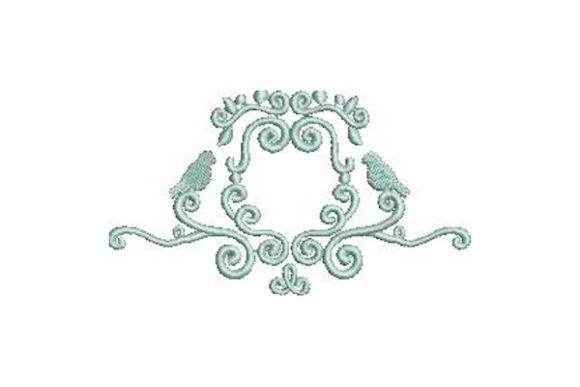
Wedding Monogram: A Designer’s Review for Small Business Merch
As an embroidery designer who has spent years digitizing logos and testing files on everything from heavy canvas to delicate silk, I approach every new machine embroidery design with a critical eye. It is not just about whether the design looks pretty on a screen; it is about how it performs in the real world of small business merchandise. Recently, I evaluated the Wedding Monogram to determine its viability beyond bridal wear. While the title suggests a niche application, the potential for this embroidery file extends into branded patches, boutique merchandise, and custom apparel for various creative industries.
First Impressions: Visual Personality and Professional Appeal
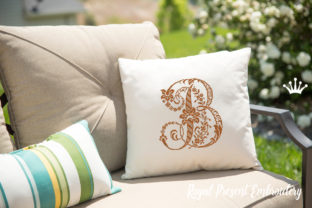
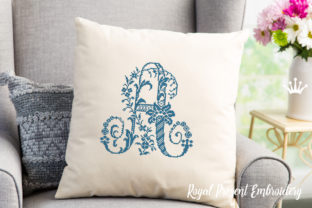
The product description promises to "give your wedding fabrics style and charm," which immediately sets an expectation of elegance and softness. Upon reviewing the visual structure of the Wedding Monogram, the design feels decorative and refined. It does not scream bold or industrial; instead, it leans towards a premium, handmade aesthetic. For a small business owner, this visual personality is crucial. If you run a floral studio, a high-end bakery, or a boutique consulting firm, this design communicates sophistication. It feels friendly yet professional, making it an excellent candidate for brands that want to appear approachable but polished.
However, because it is described as "lovely" and intended for monograms, we must consider if it translates well to non-wedding contexts. The answer is yes, provided the brand identity aligns with values of care, tradition, and personal touch. It is not a fit for a rugged construction company, but it is perfect for a lifestyle brand or a creative studio looking to add a subtle mark of quality to their goods.
Real-World Applications for Small Business Merch
When I test a new digital embroidery file, I imagine it on various substrates. Here is how the Wedding Monogram performs across different small business merch categories:
- Embroidered Patches: This is perhaps the strongest use case. A patch allows for controlled hooping and stabilizer use. You can create iron-on or sew-on patches featuring this monogram to sell as standalone products or to attach to customer orders as a thank-you gift.
- Apron Embroidery: For cafes, florists, or craft workshops, branding staff uniforms is essential. This design works beautifully on the chest pocket of a canvas apron. It adds a layer of professionalism without overwhelming the garment.
- Tote Bag Design: Canvas tote bags are a staple for Etsy sellers and retail shops. The monogram can serve as a central focal point or a subtle corner detail. Ensure the fabric texture is smooth enough to capture the finer details of the design.
- Cap Embroidery: Using this on a curved surface like a baseball cap requires caution. It is best suited for side-panel placement rather than the front center, unless the design is simplified. The curvature can distort intricate monogram lines if the hoop size is not managed correctly.
- Product Packaging Accents: Imagine sewing this monogram onto a small muslin bag that holds a handmade product. It elevates the unboxing experience and reinforces brand recognition.
Technical Considerations and Production Challenges
While the aesthetic appeal is high, technical execution determines the success of the finished product. The description notes that the design comes with multiple embroidery file formats and can be used with multiple embroidery machines. This versatility is a significant advantage for shops with diverse equipment. However, there are critical factors to address before running a production batch.
Stitch Density and Fabric Texture: Monograms often feature fine lines and tight curves. If the stitch density is too high, it can cause puckering, especially on lightweight fabrics like silk or thin cotton. Conversely, if the density is too low on a textured fabric like terry cloth or heavy denim, the design may look sparse. Always test the design on the actual fabric you intend to use. For dark uniforms, ensure you have a proper underlay to prevent the background fabric from showing through the thread colors.
Hoop Size and Placement: Before committing to a large order, confirm the maximum hoop size required. Some monograms are designed for 4x4 hoops, while others need 5x7 or larger. Placing a large monogram on a small item, such as a baby onesie or a narrow cuff, can lead to registration issues. Always create a printable mockup to visualize the scale relative to the garment.
Stabilizer Selection: The choice of stabilizer is non-negotiable. For stretchy fabrics like jersey tees, a cut-away stabilizer is recommended to maintain shape after washing. For woven fabrics like tote bags or aprons, a tear-away may suffice, but a mesh cut-away provides better long-term durability for items that will undergo frequent laundering.
Enhancing Brand Identity and Customer Trust
In the world of small business merch, consistency builds trust. Using a consistent design asset like the Wedding Monogram across your product line creates a cohesive visual identity. When customers see the same elegant monogram on your website, your packaging, and your physical products, it reinforces professionalism. It signals that attention to detail is a core value of your brand.
Furthermore, handmade products benefit immensely from visible craftsmanship. An embroidered logo carries more perceived value than a printed one. It suggests durability and quality. For Etsy sellers and crafters, this differentiation can justify a higher price point. Customers are often willing to pay more for items that feel bespoke and carefully constructed.
Practical Designer Notes for Commercial Use
Before you integrate this design into your commercial embroidery workflow, follow these steps to ensure quality control:
- Test in Black and White: Remove color from your simulation software. If the design loses its definition without color contrast, it may rely too heavily on thread shades rather than stitch structure. A good design should hold its shape in single-color stitching.
- Check Small Patch Sizes: Scale the design down to the smallest size you intend to produce. Inspect the spacing between letters or elements. If they merge or become indistinguishable, the design is not suitable for tiny applications.
- Review Thread Color Contrast: Choose thread colors that stand out against your base fabric. For a subtle look, use tonal threads; for high visibility, use contrasting colors. Ensure the thread colors align with your brand palette.
- Confirm Commercial Licensing: The description mentions multiple file formats but does not explicitly state license terms. Always verify with the seller that you have the right to use the digital embroidery file for commercial purposes, including selling finished products. Never assume a standard download includes commercial rights.
- Create Client Mockups: If you are doing work for hire, present a realistic mockup to the client. Show them how the monogram looks on their specific garment type. This manages expectations and reduces the risk of dissatisfaction after production.
In conclusion, the Wedding Monogram is a versatile asset for small business owners who value elegance and detail. While its name suggests a specific occasion, its application is broad. From apron embroidery to branded patches, it offers a way to elevate everyday items into premium merchandise. By paying attention to stitch density, stabilizer choice, and fabric texture, you can ensure that every piece reflects the high standards of your brand. Treat this design not just as a decorative element, but as a strategic tool for building brand recognition and customer loyalty.