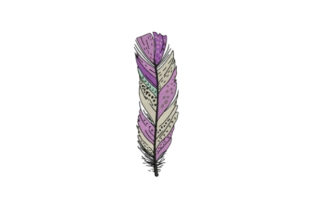
Purple Feather: A Designer’s Review for Real Projects
As a designer who has spent countless hours staring at digitized files and watching needles pierce fabric, I have learned that not every machine embroidery design is created equal. Some look stunning on a screen but fall apart under the tension of the hoop. Others are technically perfect but lack soul. When I first loaded the Purple Feather file into my software, I was looking for that sweet spot between artistic flair and technical reliability. This review is not just about aesthetics; it is about how this design performs when you are trying to run a craft business or create a meaningful personalized gift.
First Impressions and Visual Mood
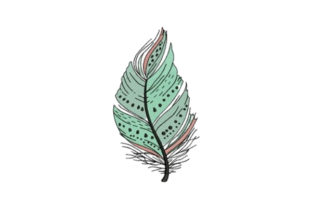
The immediate impression of Purple Feather is one of softness and organic movement. In the world of Boho style, details matter. You want elements that feel hand-drawn yet precise enough for machine replication. This design captures that balance well. The curvature of the feather suggests a gentle flow, avoiding the rigid, geometric lines that can make embroidery look stiff or dated. For an Etsy seller or boutique owner, visual appeal is the first hook. This design does not scream for attention; instead, it invites a closer look, which is exactly what you want for high-end handmade products.
The layout is versatile. It is not so dense that it overwhelms the fabric, nor so sparse that it looks unfinished. This makes it an excellent candidate for various embroidery projects, from subtle accents on adult apparel to playful touches on nursery decor. The theme aligns perfectly with current trends favoring nature-inspired motifs, making it a safe yet stylish choice for commercial use.
Real-World Application: The Tote Bag Test
To truly evaluate a design, you must imagine it in a real-life scenario. I recently considered using Purple Feather for a custom canvas tote bag order. Canvas is a forgiving fabric, but it has a distinct texture that can interfere with fine details. I envisioned placing the feather on the lower corner of the bag, paired with minimal text. The result, in my mind’s eye, was chic and understated.
This is where the design shines. It works beautifully as a tote bag design because its shape allows for easy integration with other elements. Whether you are adding a name, a date, or a simple phrase, the feather provides a natural frame without competing for dominance. For small shop products, this versatility is crucial. You do not want a design that only works in one specific context. You need assets that can be repurposed across different product lines, from kitchen towels to wall hangings.
Performance on Different Fabrics
One of the most critical aspects of any embroidery file is how it handles different materials. I evaluated how Purple Feather would perform on several common substrates used in custom apparel and home goods.
- Sweatshirts and Hoodies: The design holds up well on fleece. The curves translate smoothly, and the stitch direction helps prevent puckering if the right stabilizer is used. It makes for attractive sweatshirt embroidery that feels premium rather than mass-produced.
- T-Shirts and Thin Cotton: Here, caution is needed. If the stitch density is too high, the fabric may pucker. I recommend testing on scrap fabric first. Using a cut-away stabilizer is essential to maintain the integrity of the design on stretchy knits.
- Caps and Curved Surfaces: Embroidering on curved surfaces like caps is tricky. The feather’s elongated shape is actually an advantage here, as it can follow the curve of the cap panel naturally. However, ensure your hoop size is appropriate to avoid distortion.
- Baby Items: For baby embroidery, softness is key. This design avoids overly dense fill stitches that can feel scratchy against sensitive skin. It is a thoughtful choice for onesies or baby blankets, provided you use soft thread and proper backing.
Technical Considerations for Designers
Before you commit to stitching Purple Feather on a client’s garment, there are practical steps you must take. As a professional, I never skip the test stitch. Even high-quality designs can behave differently depending on your machine’s tension settings and the thread brand you use.
Check the stitch density in your software. If the design relies heavily on satin stitch borders, ensure they are not too wide for the scale you intend to stitch. Wide satin stitches on small hoops can lead to snagging. If the design uses fill stitch areas, verify that the underlay is sufficient to support the top stitches, especially on textured fabrics like terry cloth or denim.
Thread color choice plays a massive role in the final outcome. While the title suggests purple, do not feel bound by it. This design works exceptionally well in monochrome tones for a modern look, or in contrasting colors for a pop of vibrancy. Always test your thread colors on the actual fabric. A color that looks great on white cotton might disappear on navy blue. Creating printable mockup previews in black and white can also help you assess the contrast and clarity of the design before you thread your needle.
Commercial Viability and Brand Consistency
For those running a craft business, consistency is vital. Purple Feather offers a level of professionalism that builds customer trust. It does not look like a clip-art afterthought; it looks intentional. This enhances the perceived value of your finished product. When customers see clean lines and thoughtful placement, they are more likely to engage with your brand and return for future purchases.
However, always verify the licensing terms. Just because a design is high quality does not mean it is free for unlimited commercial use. Check whether the digital embroidery file comes with a commercial license if you plan to sell items featuring this design. This is a crucial step for any commercial embroidery project to avoid legal issues down the line.
Final Verdict
Purple Feather is a strong addition to any designer’s library. It is adaptable, visually appealing, and technically sound for most standard applications. It fits seamlessly into the Boho aesthetic while remaining versatile enough for modern minimalist projects. Whether you are creating holiday embroidery gifts, embroidered patches, or boutique apparel, this design offers the reliability and charm needed to succeed.
Remember to respect the material. Use the right stabilizer, choose your hoop size wisely, and always test on scraps. By treating this design with the care it deserves, you will produce work that not only looks beautiful but stands the test of time and washing. It is a reliable tool for makers who value both artistry and practicality in their design assets.