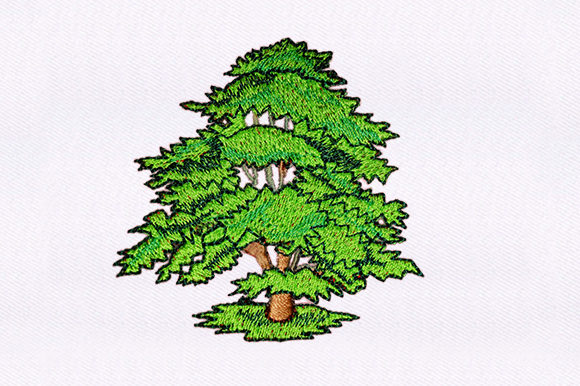
Grown Tree: A Designer’s Review for Real Projects
As a designer who has spent countless hours hooped up at the machine, I have learned that not every machine embroidery design is created equal. Some look stunning on a screen but turn into a tangled mess of thread breaks and puckering on fabric. Others are reliable workhorses that elevate a simple garment into a boutique-quality item. Today, I am taking a close look at Grown Tree, a detailed piece from the Forest category, to see if it holds up under the scrutiny of real-world application.
My first impression of Grown Tree was one of organic stability. The silhouette suggests age and resilience, with branches that reach out in a natural, asymmetrical balance. For those of us in the craft business, mood matters just as much as stitch count. This design does not scream for attention with neon colors or chaotic shapes; instead, it whispers. It creates a calm, grounded aesthetic that fits perfectly into the current trend of slow living and nature-inspired decor. If you are an Etsy seller or a small shop owner looking to expand your line of earthy, minimalist goods, this design offers a visual personality that feels authentic rather than manufactured.
Putting Grown Tree to the Test on Apparel and Home Goods
To truly evaluate an embroidery file, you have to imagine it stitched out. I recently considered using Grown Tree for a custom order involving heavy cotton tote bags. The client wanted something that felt timeless, not trendy. When I visualized the design centered on the bag, the layout worked beautifully. The width of the tree allowed for substantial coverage without overwhelming the fabric’s texture. Because the design relies on a mix of fill stitches for the trunk and finer lines for the branches, it translates well onto medium-weight canvas. The result would be a tactile experience where the customer can feel the depth of the trunk against the smooth weave of the bag.
Beyond totes, I see strong potential for Grown Tree in custom apparel. Imagine this stitched on the left chest of a heather grey sweatshirt. The contrast between the soft fleece and the structured embroidery adds immediate value. For baby embroidery projects, such as a neutral-toned onesie or a muslin swaddle, the design’s gentle curves avoid the harshness of geometric patterns. It feels safe and nurturing, which is exactly what parents look for in personalized gifts. However, when moving to smaller items like caps or hats, caution is required. Curved surfaces distort designs, and the intricate branch details might lose clarity if the hoop size is too small or if the cap’s curvature is aggressive.
Navigating Fabric Choices and Stitch Density
One of the most critical aspects of reviewing a digital embroidery file is understanding how it interacts with different materials. Grown Tree appears to have a moderate stitch density, which is generally a good sign. Dense areas, like the base of the trunk, provide solid coverage, while the upper branches likely utilize running stitches or lighter satin stitches to maintain flexibility. This balance is crucial for stretchy fabrics. If you plan to use this on a t-shirt, you must pair it with a high-quality cut-away stabilizer to prevent the weight of the thread from pulling the fabric out of shape over time.
Conversely, stitching on thin or delicate fabrics requires extra care. The detailed corners of the branches could potentially cause puckering if the tension is not adjusted correctly. I always recommend testing the design on scrap fabric first, ideally the same type you intend to use for the finished product. Check how the thread colors interact with the fabric texture. On dark fabrics, you may need to adjust the underlay or choose lighter thread colors to ensure the fine details of the branches do not disappear into the background. A black-and-white mockup can be a helpful tool here to verify contrast before you commit to stitching.
Commercial Viability and Brand Consistency
For commercial embroidery professionals and handmade product creators, consistency is key. Grown Tree offers a level of professionalism that builds customer trust. When a buyer sees clean lines and well-defined shapes, they perceive higher quality. This design can serve as a cornerstone for brand consistency if your shop focuses on nature, wellness, or outdoor themes. It works well as a standalone motif or as part of a larger composition. For example, it could be paired with simple text for a wedding gift or used as a subtle accent on kitchen towels for holiday embroidery collections.
However, before listing any items featuring this design on your online store, you must confirm the licensing terms. Not all design assets allow for unlimited commercial use. Check whether the license permits selling finished physical items or if it restricts you to personal use only. This step is non-negotiable for protecting your craft business from legal issues. Additionally, if you are creating printable mockups for your digital storefront, ensure that the preview images accurately represent the stitch texture. Misleading visuals can lead to returns and negative reviews, which hurt your reputation as an Etsy seller or boutique owner.
Practical Notes for the Embroidery Designer
Before you load Grown Tree into your machine, consider these practical steps to ensure success:
- Check Hoop Size: Ensure your hoop is large enough to accommodate the full width of the tree without cropping essential details. A cramped design looks amateurish.
- Thread Selection: Choose thread colors that complement the natural theme. Earth tones like olive green, brown, and slate blue work well, but don’t be afraid to experiment with monochrome looks for a modern twist.
- Stabilizer Choice: Match your stabilizer to your fabric. Use tear-away for stable woven fabrics and cut-away for knits and stretchy materials to maintain the integrity of the stitch density.
- Test Stitch: Always run a test on scrap material. Look for thread breaks, nesting, or puckering, especially in the denser areas of the trunk.
- Lighting and Presentation: When photographing your finished product, use natural light to highlight the texture of the satin stitch and fill stitch areas. This enhances the perceived value of your handmade product.
In conclusion, Grown Tree is a versatile and aesthetically pleasing addition to any designer’s library. It bridges the gap between artistic expression and technical reliability. Whether you are creating a personalized gift for a friend, stocking your small shop with unique merchandise, or designing custom apparel for clients, this design offers the clarity and charm needed to stand out. Just remember to respect the technical requirements of your machine and fabric, and you will find that this forest-inspired motif grows beautifully on almost any project you choose.