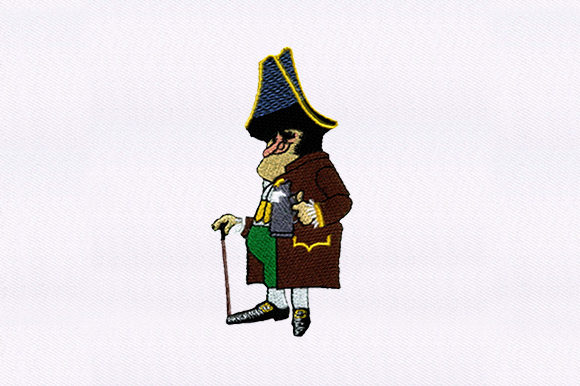
Old Gentleman: A Designer’s Review for Real Stitching
When I first pulled up the Old Gentleman design on my screen, I wasn’t looking for flashy trends or overly complex digitizing tricks. As someone who spends half their life troubleshooting thread breaks and the other half managing client expectations, I look for reliability and character. This piece, categorized under Grandparents, immediately struck me as a design with quiet dignity. It doesn’t scream for attention; instead, it invites a closer look. For embroidery designers and small business owners, that subtle appeal is often more valuable than loud graphics because it translates better into high-end, personalized gifts and boutique merchandise.
First Impressions and Visual Personality
The mood of Old Gentleman is nostalgic yet refined. The layout suggests a classic silhouette, likely relying on clean lines and thoughtful spacing rather than dense, heavy filling. In my experience, designs that target the grandparent demographic need to balance warmth with respect. This design achieves that by avoiding caricature. It feels like a tribute, which makes it ideal for heartfelt projects.
Visually, the design appears to prioritize shape over excessive detail. This is a crucial distinction for anyone working with a machine embroidery design. Too much detail in a small area leads to stitching issues, especially on textured fabrics. The "detailed embroidery" mentioned in the product description suggests there is enough intricacy to be interesting, but hopefully not so much that it becomes a nightmare to stitch out on standard home machines. The visual personality here is one of timeless elegance, fitting seamlessly into a narrative of family heritage and love.
Real-World Application: The Custom Tote Test
To truly evaluate an embroidery file, you have to imagine it on a physical object. I recently worked on a custom order for a local boutique selling curated gift sets. They wanted a tote bag design that felt artisanal but not rustic. Old Gentleman came to mind immediately.
Imagine this design stitched onto a heavy canvas tote in a deep navy or charcoal thread. The contrast against natural cotton would be striking. Because the design likely uses a mix of satin stitch for outlines and perhaps some fill stitch for depth, it would hold up well to the wear and tear a tote bag endures. Customers aren’t just buying a bag; they are buying a story. A design labeled under Grandparents evokes memories of grandfatherly advice, Sunday walks, or inherited wisdom. That emotional connection increases the perceived value of the handmade product.
Beyond totes, consider sweatshirt embroidery. A crewneck sweatshirt in heather grey with this design centered on the chest creates a modern, vintage-inspired look. It moves away from the cliché "Best Grandpa" text-heavy designs and offers something more artistic. This appeals to the Etsy seller looking to differentiate their small shop product from mass-produced alternatives.
Technical Considerations for Stitching
While the aesthetic is strong, practical execution requires caution. The description notes it looks great on "any fabric," but as an experienced reviewer, I advise taking that with a grain of salt. No single design performs perfectly on every material without adjustment.
- Fabric Texture: On fluffy towels or thick fleece, fine details can get lost. If you are using this for baby embroidery on a soft blanket, ensure you use a cut-away stabilizer to prevent puckering and keep the stitches crisp.
- Stitch Density: Check the density before running a full production batch. If the design has large solid areas, it might pull on lightweight fabrics like jersey t-shirts. Always test on scrap fabric first.
- Hoop Size: Confirm the required hoop size matches your machine’s capabilities. If this is a larger portrait-style design, you may need a 5x7 or 6x10 hoop. Trying to shrink it down to fit a 4x4 hoop could distort the proportions and ruin the gentlemanly demeanor.
- Thread Colors: The choice of thread colors will make or break this design. Monochromatic schemes work well for a sophisticated look, while contrasting colors can highlight specific features. Avoid neon threads unless you are aiming for a ironic, pop-art vibe, which contradicts the design’s classic nature.
Navigating Challenging Surfaces
Where should you use Old Gentleman carefully? Curved surfaces like caps require special attention. If the design is wide, it might not wrap correctly around the front panel of a baseball cap without distortion. In such cases, consider resizing or using it as part of a larger embroidered patch that can be applied flat. Also, be mindful of dark fabrics. If the design relies on subtle shading, it might disappear on black garments unless you use a bright underlay or high-contrast thread.
For commercial embroidery projects, consistency is key. If you are producing fifty units for a holiday gift line, ensure your tension settings are dialed in. A design that looks good on one shirt might pucker on the next if your stabilizer isn’t consistent. This is where the quality of the digital embroidery file matters. A well-digitized file minimizes jumps and trims, saving you time and reducing thread waste.
Boosting Brand Value and Customer Trust
Using a high-quality design like Old Gentleman impacts more than just the physical product; it affects your brand perception. When customers see clean, professional stitching, they trust the maker. This is vital for craft business owners who rely on repeat clients and word-of-mouth referrals. A sloppy stitch-out suggests carelessness, while a crisp, well-executed design suggests professionalism.
This design also serves as excellent content for printable mockup creation. Before you even stitch a single thread, you can place the design on digital templates of aprons, pillows, or shirts to gauge its appeal. This helps in creating compelling listings for your online store. The versatility of the theme allows it to fit into various niches: Father’s Day, birthdays, memorials, or simply as a stylish element in a custom apparel line.
Final Verdict for Makers
Old Gentleman is a solid addition to any designer’s library, particularly for those focusing on sentimental or classic themes. It bridges the gap between traditional Grandparents motifs and modern aesthetic sensibilities. However, success lies in the execution. Do not assume it will work perfectly on every material without testing. Check the license terms to confirm if it allows for commercial embroidery sales, as this varies by creator. Verify the file formats provided to ensure compatibility with your specific machine software.
For the hobbyist, it offers a rewarding project that results in a cherished personalized gift. For the professional, it provides a reliable asset for creating high-margin, emotionally resonant products. Treat it with the respect it deserves—choose your fabrics wisely, stabilize properly, and let the design speak for itself. In a market flooded with generic clipart, a thoughtful, well-stitched Old Gentleman stands out as a mark of true craftsmanship.