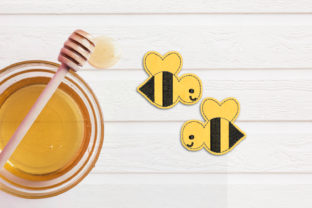
Review: Bee Feltie ITH Applique for Merch
As an embroidery designer who has spent years digitizing and testing files for commercial use, I approach every new digital embroidery file with a critical eye. It is not enough for a design to simply look cute on a screen; it must perform under the needle, hold up in the wash, and serve a strategic purpose for the brand using it. Recently, I evaluated the Bee Feltie ITH in the Hoop Applique to determine its viability for small business merchandise and branded patch applications. This review focuses on how this specific design functions within the broader context of professional commercial embroidery and brand identity building.
First Impressions and Visual Personality
The immediate impression of the Bee Feltie ITH in the Hoop Applique is one of approachable charm. In the world of Bugs themed Embroidery, there is often a risk of designs appearing too childish or overly complex. However, this design strikes a balance that feels both handmade and polished. The "feltie" style implies a soft, textured finish that appeals to customers looking for artisanal quality rather than mass-produced uniformity.
For a boutique owner or a creative studio, this aesthetic signals warmth and friendliness. It is not aggressive or corporate; instead, it invites engagement. When considering this for small business merch, the visual personality suggests it would work exceptionally well for brands that want to project a community-focused, eco-friendly, or nurturing image. Think local bakeries, florists, pet grooming services, or independent bookstores. The design does not scream for attention with loud colors but rather draws people in with its tactile appeal.
Performance in Real Business Applications
The true test of any machine embroidery design is its versatility across different products. The product description notes that each hooping produces two felties, which is a significant efficiency boost for production runs. Here is how I see this design performing in various commercial scenarios:
- Branded Patches: Since the file is intended for non-fraying fabrics like felt or vinyl, it is inherently suited for patch creation. You can stitch these out in batches, cut them, and then attach them to various items. This allows for incredible flexibility in inventory management.
- Apron Embroidery: For cafes and bakeries, staff uniforms are walking billboards. Adding these bee felties to the chest pocket or strap of an apron adds a touch of whimsy without compromising professionalism. It breaks up the monotony of solid-colored uniforms.
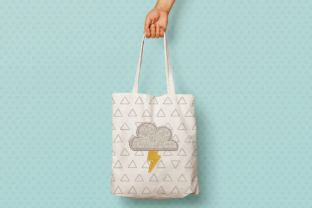
- Tote Bag Design: Canvas tote bags are a staple for retail shops. The applique nature of this design means it sits on top of the fabric, providing a nice dimensional contrast against the flat weave of canvas. It serves as a subtle brand identity marker that customers will actually want to use.
- Cap Embroidery: While possible, caps require careful handling. The curved surface of a cap front can distort small details. If used here, I recommend placing the feltie slightly off-center or on the side panel where the fabric is flatter and more stable.
- Product Packaging Accents: These small felties can be sewn onto fabric gift bags or attached to hang tags for high-end handmade products, increasing the perceived value of the finished product.
Strategic Placement and Technical Considerations
While the design is adorable, technical precision is required to maintain quality. Because this is an in-the-hoop (ITH) applique, the process involves stitching a placement line, adding the fabric, and then stitching the satin border. For business use, consistency is key. You must ensure that your hoop size is appropriate for the machine you are using and that the tension is calibrated correctly to prevent puckering.
One area where caution is needed is stitch density. Applique designs rely on the background fabric for color and texture, so the embroidery itself should not be overly dense. However, the satin border securing the felt must be tight enough to prevent fraying over time. If you are using this on items that will undergo frequent washing, such as staff t-shirts or reusable tote bags, test the durability rigorously. Vinyl may offer better water resistance than felt, making it a superior choice for outdoor gear or kitchen apparel.
Additionally, consider the thread colors carefully. High contrast between the thread and the felt background ensures the design remains visible from a distance. For dark uniforms, use bright yellow or white thread. For light-colored custom apparel, darker outlines will provide necessary definition. Always create a printable mockup or a physical sample before committing to a large production run to verify that the scale works for the intended application.
Impact on Brand Identity and Customer Trust
Incorporating elements like the Bee Feltie ITH in the Hoop Applique into your design assets does more than just decorate a product; it reinforces brand identity. Consistency in visual elements builds recognition. If a customer sees this specific bee motif on your Etsy shop, your packaging, and your staff uniforms, it creates a cohesive brand experience. This level of detail signals to the buyer that you care about quality and presentation.
Furthermore, handmade touches foster emotional connections. In an era of automated retail, a stitched applique feels personal. It suggests that a human being took the time to create something unique. This can significantly enhance customer trust and loyalty, leading to higher engagement and repeat business. For handmade brands, this alignment with the "craft" aesthetic is invaluable.
Practical Designer Notes for Production
Before integrating this design into your commercial workflow, adhere to these practical steps:
- Test on Real Fabric: Do not rely solely on digital simulations. Stitch the design on the exact material you plan to sell. Felt, vinyl, and cotton all behave differently under the needle.
- Check Stabilizer Compatibility: Use the appropriate stabilizer for your base fabric. Cut-away stabilizer is often best for garments that will be washed frequently, while tear-away may suffice for decorative patches.
- Verify Commercial Licensing: Always confirm the license terms included with the embroidery file. Ensure you have the right to use the design for physical goods you intend to sell.
- Evaluate Scale: Check if the design works at the size you need. If it is too small, details may get lost. If it is too large, it may overwhelm the garment. Adjust hoop settings accordingly.
- Compare Beside Other Assets: Place the stitched sample next to your logo and other branding materials. Ensure the style complements rather than clashes with your existing visual language.
In conclusion, the Bee Feltie ITH in the Hoop Applique is a versatile and charming addition to any embroidery designer’s library. When used thoughtfully, it can elevate small business merch from generic to memorable. By paying attention to technical details and aligning the design with your brand’s core values, you can create products that resonate deeply with your audience. Always prioritize quality control and testing to ensure that every piece you produce reflects the professionalism and creativity of your brand.